Top 5 tips to look after your mental health during a separation or divorce
August 28th, 2023 | 5 min read
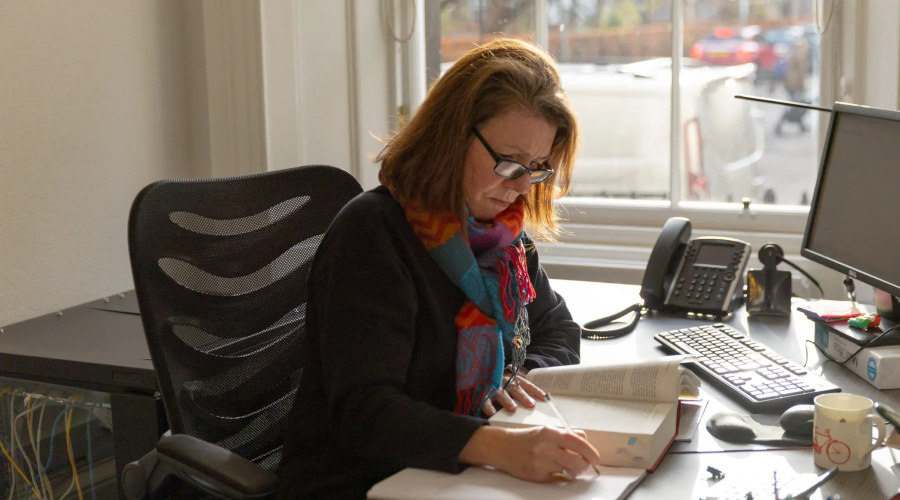
World Mental Health Day (10 October) is about raising awareness of mental health and driving positive change for everyone’s mental health.
When you’re going through a separation or divorce, it is natural to have feelings of worry, stress and anxiety which can have an impact on your mental health. The legal process itself can feel complex and alien, even with expert guidance. After the legal part is finished, there are the unknowns for the future.
It’s really important to take good care of your mental health during this process. This will support you to make strong, informed decisions to move forward with your life.
Here are our top 5 tips for looking after your mental health during a relationship breakdown. For more tips and support, please visit our Divorce and Separation Wellbeing Hub.
1. Stay connected to friends and family
Surround yourself by friends and family who care about you – keep getting out to see familiar faces and you will adjust to life after your ex-partner.
Take small steps and arrange to meet someone for a coffee. You don’t have to talk about what’s going on but this will help you to build up connections.
- Shutting yourself off will only make you feel even worse, and it won’t improve your mental wellbeing.
- The people who care about you will still want to see you and support you through this difficult period.
- If someone is reminding you about what they think you did wrong, let them know that you hear them and appreciate their advice, but you don’t need to discuss it further. The situation is very rarely entirely black and white.
2. Incorporate healthier habits into your new routine
After a separation or divorce, your routine will likely change. You may end up moving to a new home or taking on tasks that your partner used to manage. This can be an opportunity to develop healthier habits.
- If you’re struggling, creating a weekly schedule or list will help you stay on track. If you’re still feeling overwhelmed, paying for a weekly cleaning service (if it’s within your means) can help you to get back on your feet. Alternatively, you could ask a friend or family member to help you to clear some things off your list.
- Eating healthily, staying physically active, getting quality sleep, and managing stress are all crucial aspects for supporting your mental wellbeing. Starting small by going for a daily 15-minute walk and gradually building this up is a great first step.
- Starting these healthy habits early-on is key, even though it may be tempting to let things slide when you’re feeling down. This will help you to adapt to your new routine.
3. Find the right Family Lawyer
Think carefully about which lawyer to instruct – it is really important.
- Find a Family Lawyer you trust to guide you through the divorce process with care and compassion as this will support your mental wellbeing during this time.
- Ensure your solicitor is driven by a person-centred approach, enabling you to speak openly and honestly, even at the most upsetting and difficult time in your life.
- Your Family Lawyer should minimise stress by giving you just the right mix of hard facts and solid advice, along with considered options, to secure the most cost-effective outcome.
4. Reach out if you need help
Getting through difficult times like this often requires several shoulders to lean on.
- Talk to trusted friends and family members. Simply talking to a friend about how you’re feeling can lift a huge burden off your shoulders.
- Counselling or therapy can help you to work through your emotions in a healthy way, process grief, and prevent and treat other mental health issues.
- Relationship breakdown is challenging, and it is just as important for your GP to look after your mental health as your physical health. If you’re struggling mentally and things aren’t improving, consult your GP, be honest about how you are doing and tell them everything that’s going on.
5. Above all, be kind to yourself
Relationship breakdown is hard and for many it can quite literally be an emotional rollercoaster. Check out our Senior Associate Hayley talking about the different ways people respond to a divorce on our TikTok channel here.
However, with a conscious commitment to adopting a constructive approach whilst tending to your own emotional and physical wellbeing, you can look to the future once more. Head of Family Law, Beverley Johnson, has often been asked whether you can find happiness again after a separation, find out more on our Instagram here.
- Don’t put pressure on yourself to bounce back immediately. Know that you will feel better eventually and that with some time, you will feel like yourself again.
- Treat yourself with the respect and kindness you deserve and invest in yourself and your personal growth.
Additional Family Law support
For more Family Law support, check out our TikTok channel where Family Lawyer Hayley Mitchell has outlined what to expect at court in the following video.
Our Divorce and Separation Wellbeing page will also provide you with some guidance around how to support your mental wellbeing during a separation or divorce alongside signposting you to useful Family Law resources.
We offer all our clients a free, 15-minute consultation call with one of our solicitors to determine how we can help. Call our office on 0131 622 8477 email beverley@johnsonlegal.co.uk or submit your enquiry here.
Free 15-minute telephone consultation
We offer a free 15-minute telephone call with one of our solicitors to discuss how we can help.
Contact UsRelated post
- Five ways to save money on your divorce
- Civil Partnerships – marriage in modern form?
- Brexit is not the only divorce conversation happening right now
- Can I Stay in the Family Home if we Divorce?
- Children (Scotland) Act 2020 – what does it mean for me?
- You’ve had a terrible Christmas and want to separate – what now?
- Pets, Divorce and Separation
- Can My Ex Track Our Children During Contact?
- Is Domestic Abuse always physical abuse?
- McDonald v McDonald: A Landmark in Pension-Sharing Law